


nissan car warranty essentials and smarter coverage choices

You get peace of mind, but only if you know what's covered, what isn't, and how to use it. Think of the nissan car warranty as protection against manufacturing defects, not a blanket for every car expense.

What the standard coverage generally includes

Exact terms vary by region and model year, but you'll typically see a blend of time and mileage limits that start on the in-service date.

  • Basic (bumper-to-bumper): Covers most factory components against defects for a limited time/mileage, commonly around 3 years/36,000 miles.
  • Powertrain: Engine, transmission, drivetrain components for a longer window, often about 5 years/60,000 miles.
  • Corrosion perforation: Rust-through on body panels for several years; surface rust is usually excluded.
  • Emissions warranties: Specific emissions parts may carry longer coverage under regulation; details depend on jurisdiction.
  • Roadside assistance: Towing to an authorized facility, jump-starts, lockout help, and sometimes trip interruption within stated limits.

What it usually doesn't cover

  • Wear items: Brake pads, wiper blades, tires, clutches, and bulbs unless a defect caused early failure.
  • Maintenance: Oil, filters, fluids, alignments, and tire rotations are on you.
  • Damage: Accidents, misuse, racing, improper loading, flood, or rodent damage.
  • Alterations: Failures linked to non-approved modifications or tunes may be denied.
  • Neglect: Skipped services or wrong fluids can void related claims.

Real-world moment: A rainy Thursday, your Rogue's check-engine light pops on. You call Nissan roadside, get a tow to the dealer, and authorize diagnosis. The advisor finds a faulty O2 sensor - covered. You pay $0 deductible, and you're back by evening. If it had been a loose gas cap, you'd likely pay only the diagnostic fee. That's how it plays out day-to-day.

Use the warranty without headaches

  1. Check eligibility: Confirm in-service date and mileage. Coverage ends at the first limit reached.
  2. Document symptoms: Note dates, weather, dash lights, and noises. Photos and short videos help.
  3. Call ahead: Book with an authorized Nissan service department; request the earliest slot.
  4. Authorize diagnosis: Warranty covers defects, not the time to find non-warranty issues. Ask for an estimate if it might be non-covered.
  5. Keep records: Save every invoice, even for routine maintenance; it supports defect claims.
  6. Ask for part and TSB numbers: If repaired under a Technical Service Bulletin, keep that reference for future context.

Realistic-check: If your odometer reads 35,950 miles, schedule now - dealers can book 1 - 2 weeks out and coverage is based on the appointment date and mileage at visit.

Maintenance, modifications, and your coverage

  • You choose the shop for maintenance in many regions, but use fluids and parts that meet Nissan specs and keep receipts.
  • Aftermarket parts don't automatically void coverage, but any failure caused by them can be excluded.
  • Software tunes and lifts can complicate claims; expect extra scrutiny if related systems fail.

Extended coverage options

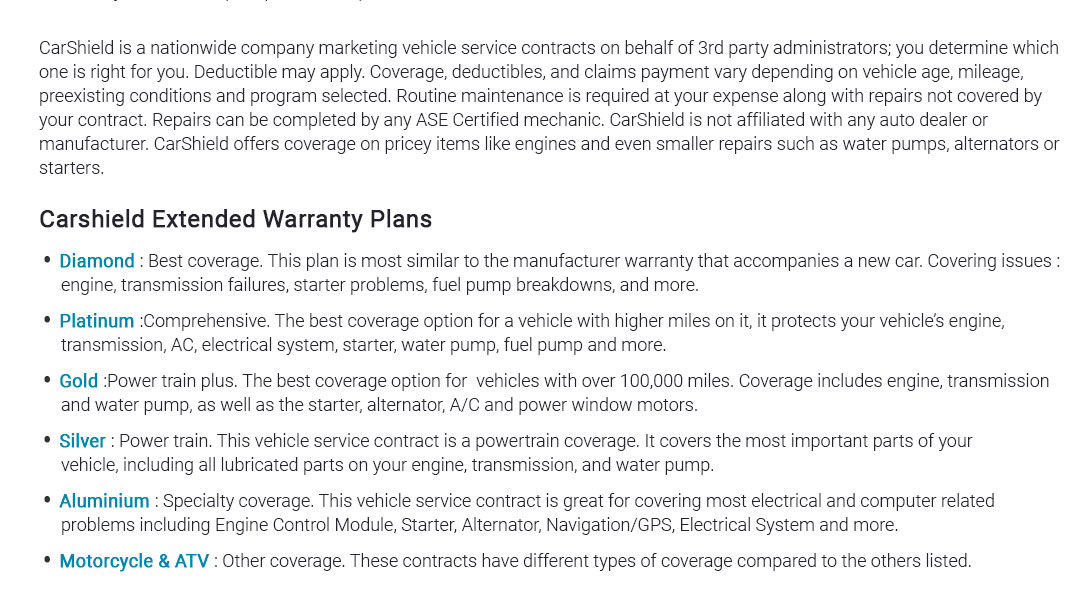
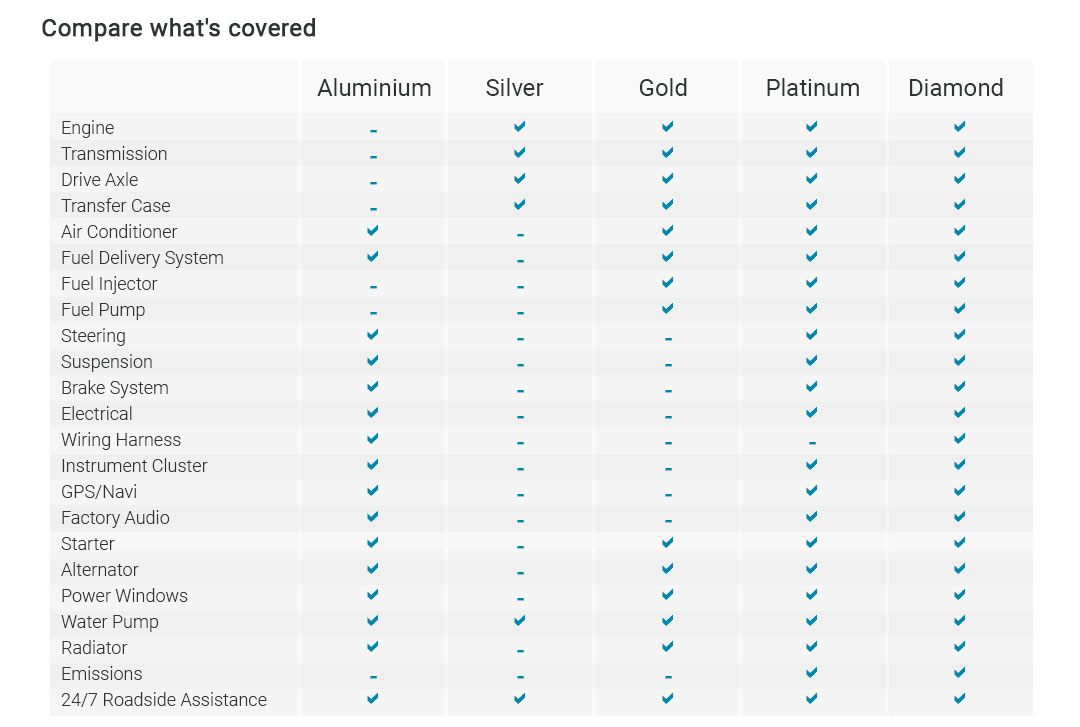
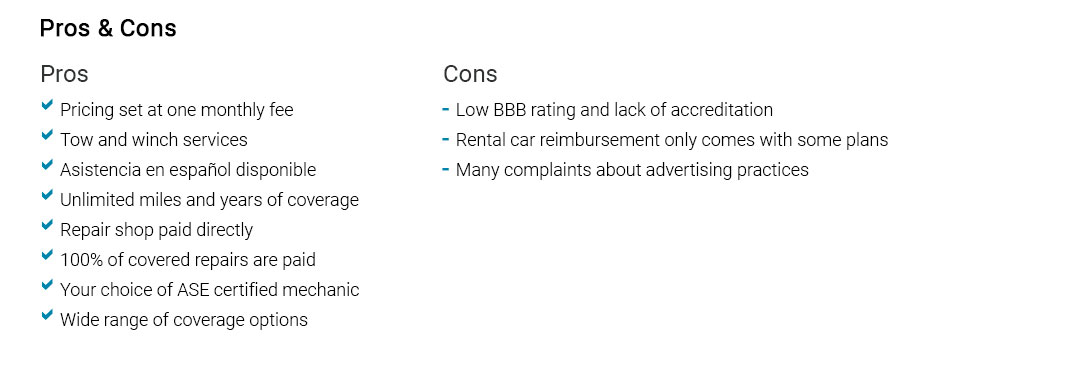
If you plan to keep the car beyond basic coverage, a manufacturer-backed service contract can create predictable costs.

  • What to evaluate: Component list (exclusionary vs named coverage), labor rates, rental car/roadside, and whether high-tech modules are included.
  • Deductible rules: Per visit vs per repair line can change out-of-pocket costs.
  • Transfer and cancellation: A transferable plan can boost resale; check fees and pro-rata refunds.
  • Overlap: Avoid paying for coverage you already have under the factory warranty.

Certified pre-owned and used vehicles

Nissan CPO programs often extend powertrain coverage from the original in-service date and add roadside assistance; verify exact years/miles on your VIN. Non-CPO used cars rely on any remaining original warranty.

Roadside assistance tips

  • Towing: Usually to the nearest authorized dealer within a mileage cap; ask about excess-distance charges.
  • Trip interruption: Keep receipts; benefits are typically reimbursement-based.
  • Call first: Using the provided number can prevent out-of-network surprises.

Claim outcomes: set expectations

  • Diagnostic fees: If no defect is found or the issue is non-warranty, you may pay for inspection time.
  • Goodwill: If you're just outside coverage and have full service history, politely ask about goodwill assistance.
  • Repeat concerns: Track dates/mileage for recurring issues; it helps the advisor and speeds resolution.

Quick checklist before your appointment

  • Verify in-service date and current mileage.
  • Bring maintenance records and any aftermarket part info.
  • Note the symptom pattern and capture a short video if safe.
  • Request the repair order to list all concerns in your words.
  • Ask which parts are covered, the deductible (if any), and ETA.

The benefit is clear: fewer surprise repair bills on defects and easier roadside help. The awareness part matters just as much - know your limits, keep records, and act before the clock or odometer runs out. That balance is how you get the most from a nissan car warranty.

https://www.caranddriver.com/research/a32872008/nissan-warranty/
A Nissan warranty is a written guarantee designed to cover costly repairs if something happens to your vehicle during a certain period of time after you ...

https://www.autocentersnissan.com/warranty/?srsltid=AfmBOooiPPYDfo6zTDNfPXwi0E-i5ITZRAUYVNluYiinLJrnCvTG-FY8
We go the extra mile by offering an extended 5-year powertrain warranty specifically for your vehicle's powertrain components, such as the engine, transmission, ...

https://www.carchex.com/content/nissan-warranty/
All brand-new Nissan models include three years or 36,000 miles of limited vehicle coverage and five years or 60,000 miles of limited powertrain ...


atwratnwm
4.9 stars -1140 reviews